
For Single-Family Homes
Residential Sprinkler System Blowout
Residential sprinkler system blowouts remove residual water from your system, preventing ice formation and damage to pipes and connectors, ensuring a smooth transition to winter.
Protect Your Sprinkler System This Winter
As winter approaches, safeguarding your sprinkler system is essential. Our comprehensive sprinkler winterization and blowout services protect against freezing temperatures, ensuring your system remains intact for the next season. Expert care in Medical Lake, Washington provides peace of mind that your irrigation system is ready for colder months.
The right sprinkler winterization & blowout option depends on the affected area or system, the condition observed and the work required. Review the options below to understand their intended focus without mixing unrelated services.
Residential sprinkler system blowouts remove residual water from your system, preventing ice formation and damage to pipes and connectors, ensuring a smooth transition to winter.

A commercial irrigation system blowout is vital for maintaining larger setups, ensuring all water is expelled to prevent winter freeze issues and prolong system life.
This method uses compressed air to clear water from each zone effectively, ensuring complete winter preparation for intricate irrigation systems across multiple areas.

Mainline drainage is essential for removing water from the main pipe of your system, minimizing freeze risks and ensuring your irrigation functions without obstructions.

Winterizing the backflow assembly keeps it protected from freezing, ensuring that water quality is preserved when the system is reactivated in the warmer months.

Preparing automatic drain valves safeguards them against freezing, allowing automatic functions to resume seamlessly after winter without unforeseen issues.

Shutting down your sprinkler controller properly prevents unnecessary energy use and possible malfunction during the colder months, setting up for a smooth restart.
Winterizing the manual shutoff valve effectively halts water flow, protecting your irrigation from damage during harsh winter conditions and allowing preventive management.
Faucet freeze protection involves insulating outdoor faucets to prevent cracking and damage during winter months, ensuring they are functional when temperatures rise.

Insulating above-ground pipes is vital for preserving their integrity, reducing the risk of thaw-freeze cycles that can stress materials in the winter.

Ensuring drip irrigation lines are properly drained helps prevent burst pipes, supporting ideal system health for the upcoming growing season after winter protection.
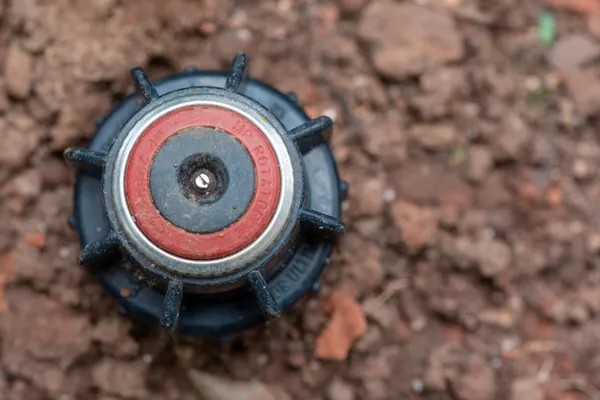
A pre-freeze inspection assesses your entire system's readiness for winter, highlighting any vulnerabilities that could lead to costly repairs or system failure.
Watch for these warning signs that your sprinkler system may need winterization: exposed pipes, inconsistent sprinkler performance, standing water in system zones, and visible leaks. Each symptom indicates potential damage from freezing weather, warranting timely evaluation to mitigate costly repairs. Proper winter preparation is crucial for preserving your system's functionality.
Visible pipes without insulation may freeze, leading to expensive damage. Winterizing prevents this risk.
Uneven watering due to blockages signals potential winter damage. Addressing this ensures effective coverage.
Water retention in lines can freeze, causing cracks. Winterization ensures efficient drainage and system health.
Leaks indicate potential pipe failure. Timely action helps prevent extensive damage before freezing temperatures hit.
A clear service process starts with the reported concern, continues through a condition review and defined scope, and ends with a review of completed work and practical follow-up guidance.
Evaluate the irrigation system's condition to identify areas needing winterization and to prepare specific blowout techniques tailored to your setup.
Begin by manually draining exposed pipes or systems using a valve or drain point, which helps remove significant amounts of residual water.
Using a compressor, force air through the system to clear out water, targeting each zone to ensure thorough expulsion from all components.
Winterize backflow preventers while checking for any leaks, ensuring they cannot be damaged during colder weather.
Ensure both manual and automatic shutoff valves are securely closed, preventing water from entering the system during winter months.
Turn off the controller functions while ensuring automatic systems are set for winter mode to keep them dormant until the spring.
Confirm that all components are secure and clear of water; perform a final check for any visible leaks or issues to address before winter.
Quality sprinkler winterization & blowout depends on a clear scope, careful preparation, appropriate work practices and communication at each stage. These standards help customers understand what is planned and what follow-up may be appropriate.
We outline specific services and preparations to maintain clarity in expectations and ensure effective service delivery.
Our approach emphasizes the importance of minimizing disruption to your landscaping and structures during service.
Open lines of communication allow you to stay informed throughout the process, easing any concerns regarding service completion.
Match sprinkler winterization & blowout to the affected area or system and the symptoms you have observed. Share relevant property details so the request can be reviewed accurately.
The scope can vary with access, materials, condition severity and any inspection or diagnostic findings. Confirm what is included before work begins.
Service availability and final scope depend on the property, access conditions, the observed issue and any inspection or diagnostic findings. Contact the business for current coverage and scheduling details.
Symptoms can include irregular watering, standing water, visible leaks, or system malfunction. Identifying these can prevent further issues during winter.
If temperatures drop below freezing, winterizing your system is critical to prevent pipe damage and ensure your system functions in spring.
Typically, winterization can take between one to three hours, depending on the complexity of the system and the specific service being performed.
Costs can vary based on system size, condition, accessibility, and type of services provided, such as blowout or inspection.
Regular inspections and maintenance during proactive seasons will help maintain system integrity and reduce overall winter servicing needs.
Aim to schedule your service before the first hard freeze to allow ample time for any necessary adjustments and preparations.
In Medical Lake, understanding how your property's irrigation setup interacts with winter conditions is vital. Each system has unique considerations for winterization; knowing potential access points and preparation requirements is key for effective service execution.
Contact us today for a comprehensive winterization service!
18338691684Page reviewed by the Sprinkler Solutions LLC team · Last updated November 2026