
Homeowner-Friendly
Residential Sprinkler System Blowout
A residential sprinkler system blowout efficiently clears water from lines using compressed air. This prevents freezing, extending the system's lifespan.
Safeguard Your Sprinkler System This Winter!
Winterizing your sprinkler system in Deer Park, Washington is crucial to prevent costly damages from freezing temperatures. Our comprehensive services help ensure your irrigation system is protected and ready for spring. Don't wait until the frost hits; reach out today to schedule your sprinkler winterization!
The right sprinkler winterization & blowout option depends on the affected area or system, the condition observed and the work required. Review the options below to understand their intended focus without mixing unrelated services.
A residential sprinkler system blowout efficiently clears water from lines using compressed air. This prevents freezing, extending the system's lifespan.

Commercial irrigation systems require specialized blowouts to ensure all components are drained effectively, supporting seamless spring restorations without damage.
Multi-zone blowouts utilize compressed air to evacuate water from various zones efficiently, ensuring all system parts are winterized properly and ready for reactivation.

Mainline drainage removes water from the primary line, eliminating the primary risk of pipe cracking from freezing, a fundamental step before winter hits.

Winterizing your backflow assembly prevents freezing and any backflow-related issues, ensuring safe operation when reactivated in spring months ahead.

Winter preparation for automatic drain valves ensures they function properly during freezing conditions, protecting your system from potential failures.

Shutting down your sprinkler controller for winter protects electronics and prevents unintentional watering during dormant seasons, making spring startups much easier.
Winterizing the manual shutoff valve safeguards crucial areas by preventing freezing, supporting efficient and effective operation come springtime when needed.
Protecting outdoor faucets with insulated covers and proper drainage prevents freezing, maintaining function and avoiding costly pipe repairs when spring returns.

Insulation around above-ground pipes enables better winter protection, reducing the risks of pipe bursts and ensuring system preparedness come spring.

Draining drip irrigation lines ensures all moisture is removed, preventing freeze damage while preserving proper functionality for upcoming seasons and growth.
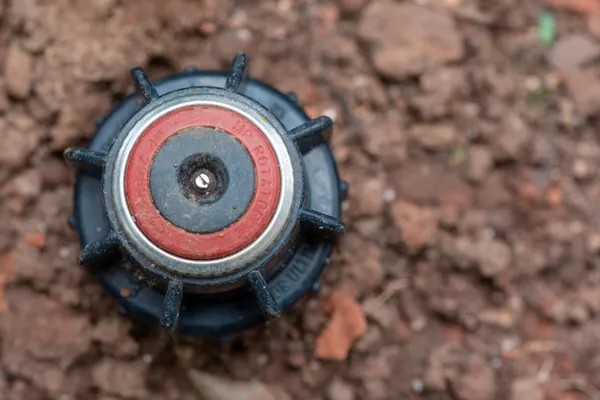
Pre-freeze inspections identify potential weaknesses or areas of concern before winter sets in, allowing for proactive measures to be taken early on for optimal system performance.
As winter approaches, it's important to recognize warning signs that indicate your irrigation system may not withstand the cold. Look for these four observable symptoms: water accumulation in the lines, frost on the valves, leaks in the system, or unusual pressure drops during operation. Addressing these conditions early with a condition-based assessment can help you avoid expensive repairs later.
Look for standing water in the system's lines, potentially indicating inadequate drainage. This condition can lead to freezing and cracking.
Frost forming on the valves may signify inadequate insulation. This needs addressing to protect the system from freezing.
Visible leaks in the system during operation can compromise efficiency and should be fixed to prevent winter damage.
A noticeable drop in system pressure can indicate blockages or leaks. Early attention can prevent system failure.
A clear service process starts with the reported concern, continues through a condition review and defined scope, and ends with a review of completed work and practical follow-up guidance.
Evaluate the current system setup and any visible concerns, noting potential areas for winterization.
Connect an air compressor to the mainline, ensuring compatibility with your system for optimal blowout.
Activate each zone systematically, allowing compressed air to clear water from the sprinkler lines.
Inspect the backflow assembly and ensure it is adequately drained and secure for winter protection.
Ensure all valves, automatic or manual, are set for winter shutdown or properly insulated.
Conduct a thorough test to check for any remaining water and ensure all components are functional before winter.
Clean the area of any debris, document changes, and provide homeowners with a winterization report for future reference.
Quality sprinkler winterization & blowout depends on a clear scope, careful preparation, appropriate work practices and communication at each stage. These standards help customers understand what is planned and what follow-up may be appropriate.
You'll receive a detailed explanation of each winterization step and its importance for your system, maintaining transparency throughout the process.
We guide you on how to prepare your system and surroundings for effective winterization while maintaining property integrity.
Expect clear communication before, during, and after service, with ongoing support for any follow-up questions or concerns.
Match sprinkler winterization & blowout to the affected area or system and the symptoms you have observed. Share relevant property details so the request can be reviewed accurately.
The scope can vary with access, materials, condition severity and any inspection or diagnostic findings. Confirm what is included before work begins.
Service availability and final scope depend on the property, access conditions, the observed issue and any inspection or diagnostic findings. Contact the business for current coverage and scheduling details.
Common symptoms include leaks, frost on valves, or pressure drops. If you spot any, reaching out promptly for winterization is essential.
Winterization should be addressed before frost sets in, ideally by late fall, to avoid system damage and ensure a seamless start in spring.
Typically, the winterization process can take between one to two hours, depending on system complexity and size.
Costs are generally based on system size and complexity, as well as any additional repairs identified during the service.
While winterization minimizes risks, ensuring insulation and proper drainage is crucial for preventing freezing and subsequent damage.
The service includes drain blowouts, valve winter preparation, inspections, and necessary preparations for your system to handle winter conditions.
In Deer Park, preparing your sprinkler system for winter can greatly extend its lifespan. Seasonal changes can test your system's resilience; proper winterization can mitigate damage and ensure efficient operation when warmer weather returns. Our dedicated services cover all aspects necessary to maintain your irrigation system in peak condition throughout the cold months.
Schedule your winterization service today and let our team help you prepare your irrigation system for the cold months ahead!
18338691684Page reviewed by the Sprinkler Solutions LLC team · Last updated November 2026